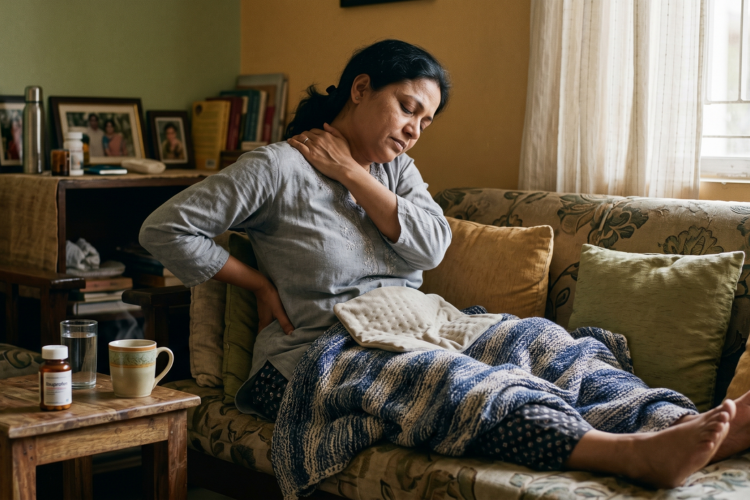
Leucorrhoea/ Leukorrhea refers to a whitish or yellowish vaginal discharge from the female genital tract. A small amount of discharge is normal and helps maintain vaginal health, but excessive discharge may indicate an underlying condition such as an infection, hormonal imbalance or reproductive system disorders.
Symptoms of leucorrhoea are persistent vaginal discharge, foul odour, genital itching, lower abdominal pain, backache, weakness or burning sensation during urination.
Leucorrhoea is a common gynaecological condition affecting many women. Acupuncture provides a natural and holistic treatment approach by reducing excessive vaginal discharge, correcting hormonal imbalances, improving blood circulation and strengthening reproductive health. With proper treatment and lifestyle management, most patients experience significant relief from symptoms.
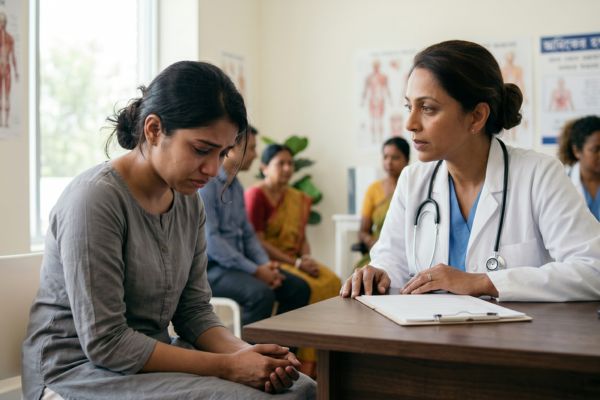

Menopause is a natural stage of life associated with hormonal changes that can produce serious physical and emotional symptoms. It is a natural biological process marking the permanent cessation of menstruation and the end of a woman’s reproductive years. It is diagnosed after a woman has gone 12 consecutive months without a menstrual period.
Menopause typically occurs between the ages of 45 and 55 due to a gradual decline in ovarian hormone production, particularly estrogen and progesterone. There are three stages of menopause:
Perimenopause – the transitional phase when hormone levels fluctuate, and menstrual cycles become irregular.
Menopause – a phase that results after 12 months without menstruation.
Postmenopause – the period after menopause, when symptoms may gradually reduce.
Common symptoms of menopause are hot flushes and night sweats, mood swings and irritability, anxiety or depression, sleep disturbances (insomnia), vaginal dryness, reduced libido, fatigue, joint and muscle pain and memory or concentration difficulties.
Acupuncture provides a safe and holistic approach to managing menopausal symptoms and improving quality of life. It helps regulate hormonal balance, reduces hot flushes and night sweats, improves sleep quality, reduces anxiety, stress and mood swings, enhances circulation and energy flow, relieves joint and muscle pain and improves overall wellbeing and quality of life.
Polycystic Ovarian Syndrome (PCOS) is a common hormonal disorder affecting women of reproductive age. It is characterised by hormonal imbalance, irregular ovulation and metabolic disturbances.
Many women with PCOS experience irregular or absent menstrual periods, difficulty with ovulation or infertility, excess facial or body hair (hirsutism), acne or oily skin, weight gain or difficulty losing weight and thinning hair on the scalp.
Acupuncture can play a supportive role in the management of PCOS by improving hormonal balance, regulating the menstrual cycle and supporting overall reproductive health. It is most effective when combined with lifestyle modification and appropriate medical care, like balanced low-glycemic diet, regular physical exercise, weight management, adequate sleep and stress reduction.

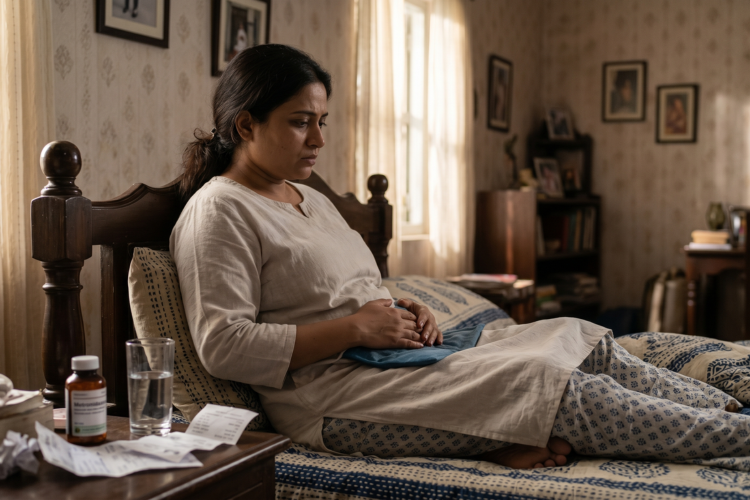
Pelvic Inflammatory Disease (PID) is an infection and inflammation of the female reproductive organs, including the uterus, fallopian tubes, ovaries and surrounding pelvic tissues. It usually occurs when bacteria travel upward from the vagina or cervix into the reproductive organs. If untreated, it may lead to chronic pelvic pain, infertility or ectopic pregnancy.
Common causes of PID are sexually transmitted infections such as chlamydia and gonorrhea, infection after childbirth, miscarriage or abortion, complications following insertion of intrauterine devices (IUD), untreated vaginal or cervical infections and spread of infection from nearby pelvic organs.
Symptoms of PID are lower abdominal or pelvic pain, fever and chills, abnormal vaginal discharge, pain during sexual intercourse, painful urination, irregular menstrual bleeding, fatigue and nausea.
In pelvic inflammatory conditions, acupuncture is used as a supportive therapy alongside medical treatment to reduce pain and inflammation, improve pelvic circulation, support hormonal balance and enhancing of immune response. It also helps reduce stress and improve overall wellbeing.
Endometriosis is a chronic gynecological condition in which tissue similar to the lining of the uterus (endometrium) grows outside the uterus. These tissues may develop on the ovaries, fallopian tubes, pelvic lining, bladder or intestines. During the menstrual cycle, these tissues respond to hormonal changes causing inflammation, pain and sometimes scar tissue formation.
Common symptoms of endometriosis are severe menstrual cramps (dysmenorrhea), chronic pelvic pain, pain during intercourse, heavy or irregular menstruation, infertility, pain during bowel movements or urination during menstruation and fatigue, nausea and bloating.
Acupuncture is a valuable complementary therapy to help manage symptoms of endometriosis. It helps reduce pain, regulate hormones, improve pelvic circulation, reduce inflammation and support overall fertility and reproductive health.
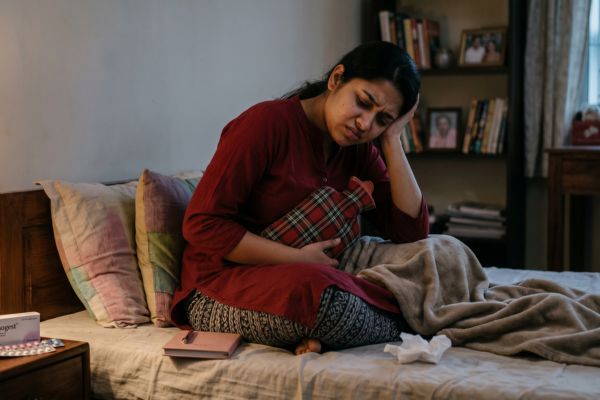
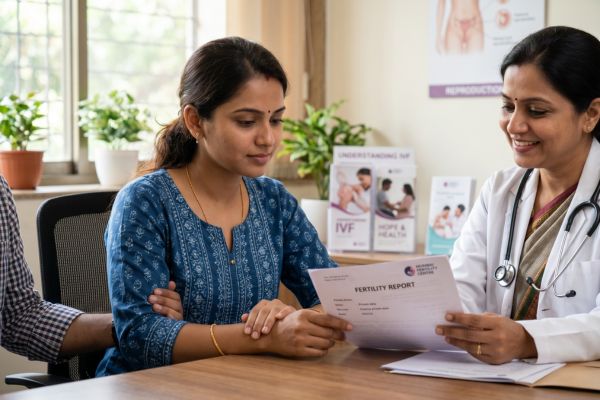
Infertility is defined as the inability of a couple to conceive after 12 months of regular unprotected sexual intercourse. It may also refer to the inability to carry a pregnancy to a live birth.
Types of Infertility
Common causes of female infertility are ovulatory disorders, polycystic ovarian syndrome (PCOS), blocked fallopian tubes, endometriosis, hormonal imbalance, uterine abnormalities and advanced maternal age.
Common causes of male infertility are low sperm count, poor sperm motility, abnormal sperm morphology, varicocele, hormonal problems and erectile or ejaculation disorders.
Acupuncture helps regulate reproductive hormones, improve blood circulation to reproductive organs, reduce stress, and enhance overall reproductive health. It is commonly used as a complementary therapy along with conventional fertility treatments and assisted reproductive techniques, such as IVF and IUI.
Menstrual disorders refer to abnormalities in the menstrual cycle that affect the timing, flow, duration or symptoms of menstruation. A normal menstrual cycle usually occurs every 21–35 days, lasts three to seven days and involves moderate blood loss. When this pattern changes or causes significant discomfort, it is considered a menstrual disorder.
Common types of menstrual disorders are:
Common causes of menstrual disorders are hormonal imbalance (estrogen and progesterone), stress, polycystic ovarian syndrome (PCOS), thyroid disorders, poor nutrition, sudden weight changes, pelvic infections, endometriosis, uterine fibroids and excessive physical exertion.
Acupuncture helps regulate hormonal balance, improves blood circulation to reproductive organs, reduces uterine spasms, modulates the nervous system and reduces stress. It also helps regulate the hypothalamus–pituitary–ovarian axis involved in menstrual regulation. Acupuncture offers a holistic and natural approach to managing menstrual disorders, by improving circulation and enhancing overall reproductive health.
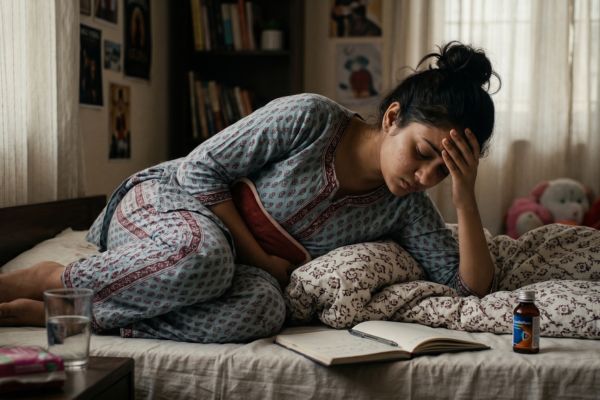
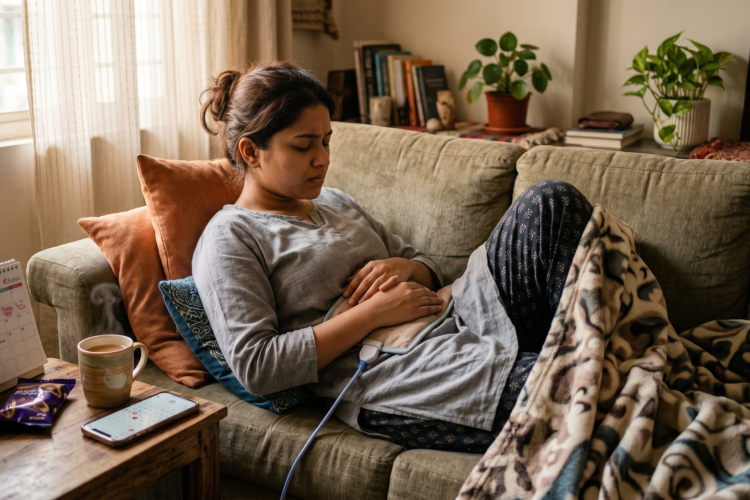
Premenstrual Syndrome (PMS) refers to a group of physical, emotional and behavioural symptoms that occur during the premenstrual phase of the menstrual cycle, usually 7-10 days before menstruation, and improve once the menstrual period begins. Symptoms may range from mild discomfort to severe distress that interferes with daily activities.
Common symptoms of PMS are breast tenderness, abdominal bloating, headaches, fatigue, acne and joint or muscle pain. Emotional symptoms include irritability, mood swings, anxiety, depression and anger. Behavioural symptoms include sleep disturbance, food cravings, reduced concentration and social withdrawal.
Possible causes of PMS are associated with hormonal fluctuations between estrogen and progesterone, neurotransmitter changes such as serotonin imbalance, stress, nutritional deficiencies, genetic factors and lifestyle influences.
Acupuncture helps regulate hormonal balance, improve blood circulation, reduce stress, modulate neurotransmitters such as serotonin and endorphins and relieve pain and emotional disturbances associated with PMS.
Fibromyalgia is a chronic pain disorder characterised by widespread musculoskeletal pain, fatigue, sleep disturbances and cognitive difficulties. It results from abnormal processing of pain signals in the brain and spinal cord.
Fibromyalgia is more common in women, who comprise nearly 80 to 90 per cent of the diagnosed cases. Hormonal changes, especially fluctuations in estrogen, influence pain perception. Symptoms often worsen during menstruation, pregnancy, or menopause. Women also tend to have higher central pain sensitivity and may experience more stress related triggers.
Common symptoms of fibromyalgia in women are widespread muscle pain, tender points in neck, shoulders, back, hips and knees, chronic fatigue, poor sleep quality, brain fog and concentration problems, morning stiffness, headaches or migraines, anxiety and depression.
Acupuncture is a complementary therapy that can reduce pain and improve quality of life. It stimulates the nervous system, releases endorphins, improves blood circulation and balances neurotransmitters associated with pain and mood. It improves sleep and enhances overall wellbeing when combined with healthy lifestyle habits.