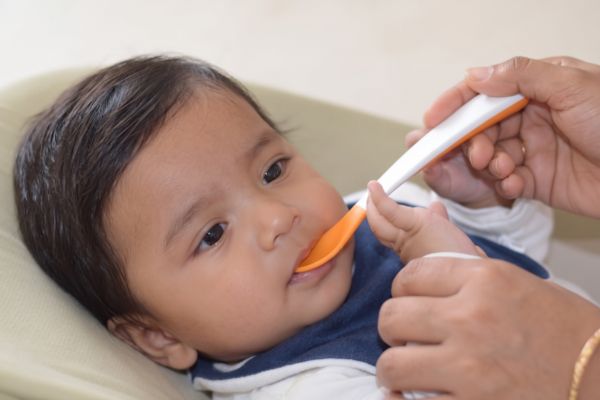
Attention-Deficit/Hyperactivity Disorder (ADHD) is a neurodevelopmental condition characterised by inattention, hyperactivity and impulsivity. While standard care includes behavioural therapy and medications, acupuncture is increasingly used as a supportive therapy to improve focus, reduce restlessness and regulate emotional dysregulation.
Acupuncture treats ADHD through neurophysiological effects. It regulates dopamine and norepinephrine pathways associated with attention; improves prefrontal cortex activity, enhancing concentration; and reduces sympathetic over activation, calming hyperactivity and impulsivity.

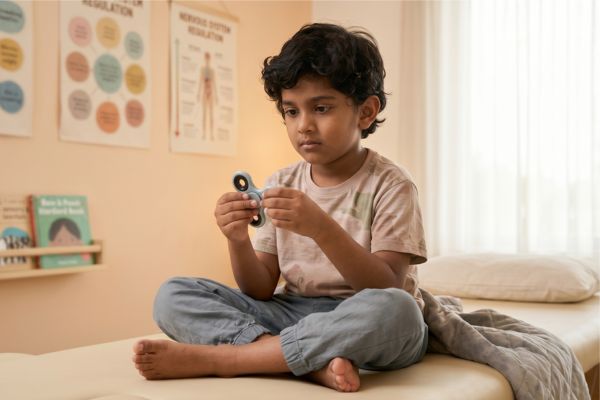
Autism Spectrum Disorder (ASD) involves difficulties in communication, social interaction, sensory processing and behavioural regulation. Acupuncture – especially pediatric acupuncture, shonishin (needle-free) and auricular acupuncture, are used as supportive therapies to help regulate the nervous system.
Research suggests that acupuncture may help with behavioural regulation, hyperactivity and impulsiveness, sleep quality, anxiety, irritability, attention and focus, sensory processing and speech initiation. It is not curative, but significant part of a supportive integrative care plan.
Acupuncture works through neurophysiological mechanism which balances sympathetic-parasympathetic activity and provides a calming effect. It reduces cortisol which lowers stress and irritability and modulates brain areas linked with language, social behaviour and sensory integration. It improves sleep patterns, which directly improve behaviour and learning, and also enhances dopamine and serotonin regulation.
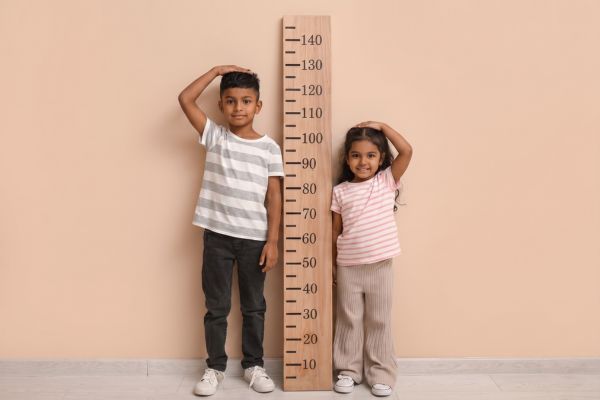
Poor height gain (short stature or growth delay) can result from nutritional deficiencies (protein, zinc, Vitamin D), chronic illness (asthma, celiac disease, digestive issues, endocrine disorders – growth hormone GH deficiency, hypothyroidism), genetic or familial short stature, constitutional growth delay, stress, poor sleep and low appetite.
Acupuncture does not replace GH therapy, when needed, but clinical experience and studies show that it can help by improving digestive absorption, enhancing sleep quality, regulating endocrine balance, increasing appetite and energy and reducing stress which influences the release of growth hormone.
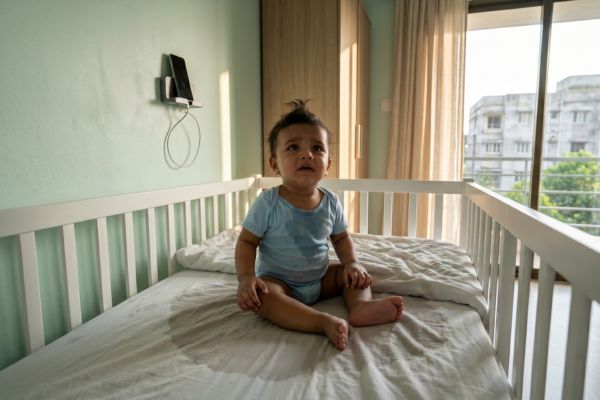
Bed-wetting is involuntary urination during sleep in children aged 5 years and above.
Common causes include genetic predisposition, deep sleep pattern, delayed bladder maturity, small functional bladder capacity, stress, anxiety, constipation and urinary tract infections (less common).
Acupuncture is increasingly being used as a supportive therapy for pediatric enuresis. It regulates bladder function and sphincter control, reduces night time urine production, reduces stress and anxiety and improves sleep quality.
Clinical studies show that acupuncture significantly improves bladder capacity and reduces the frequency of nocturnal enuresis episodes.
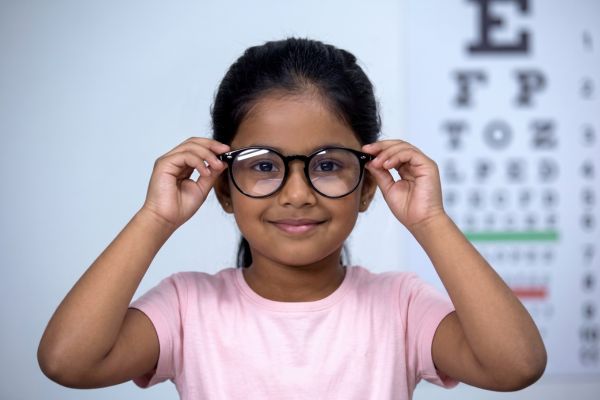
Causes of poor eyesight in children generally include refractive errors (early myopia, hyperopia, astigmatism), accommodative strain due to screen overuse, poor visual habits (reading from too close, low light), nutritional deficiencies (Vitamin A, lutein, omega-3) and underlying eye conditions (amblyopia, strabismus, congenital issues).
Acupuncture does not replace ophthalmologic treatment, spectacles, orthoptics or vision therapy, but it can support eye function, reduce strain and improve accommodative abilities.
Acupuncture improves blood circulation to the eye, relaxes the ciliary muscle, enhances brain-eye coordination, reduces inflammation and dryness (useful for children with digital eye strain or recurrent conjunctival irritation) and supports overall development. Children with ADHD, learning issues or postural problems often show better visual focus after regular acupuncture.
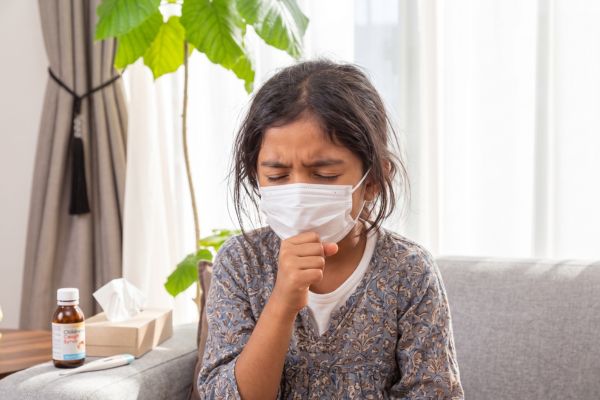
Recurrent cough and cold in children is common due to a weak immune system (caused by weak lung and spleen energy according to acupuncture theory), allergic tendencies and repeated viral infections.
Acupuncture helps by strengthening lung and spleen energy, reducing phlegm accumulation, improving immune function, regulating nasal mucosa and airway reactivity and enhancing overall resistance to infections.
We use gentle needling or non-needle methods (press-needles, laser, tuina and shonishin) for children.
Poor appetite in children commonly occurs due to weak digestion, overconsumption of cold, heavy, greasy, sweet or fried foods or infections.
Acupuncture helps improve appetite by supporting digestive functions, regulating gut motility and enzyme secretion, reducing bloating and food stagnation, calming the nervous system and supporting overall growth and nourishment.