Parkinson’s Disease is a chronic, progressive neurological disorder caused mainly by the loss of dopamine-producing cells in the brain.
Common symptoms include tremors (resting tremor), rigidity, slowness of movement, balance issues, speech and handwriting changes, fatigue, sleep issues, and anxiety.
Acupuncture does not cure PD, but supports symptom management and improves the quality of life when used alongside conventional treatment.
Research and clinical experience show that acupuncture helps in PD by improving dopamine regulation – reducing tremors and muscle rigidity, enhancing gait and balance, improving sleep, reducing anxiety and depression, and the side effects of medication (fatigue and nausea) and by supporting general wellness (improving energy levels, emotional stability and daily functioning).
Facial Paralysis
Facial paralysis – commonly known as Bell’s Palsy, causes sudden weakness or complete inability to move facial muscles.
Acupuncture is widely used as an adjunct therapy to speed recovery, reduce inflammation and restore nerve conduction. It also prevents long-term muscle stiffness and abnormal movements. By stimulating weak muscles and relaxing the overactive side, it helps restore the symmetry of the face.
Trigeminal Neuralgia
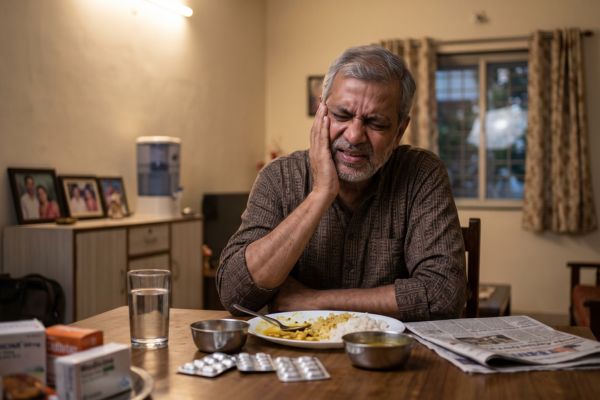
Trigeminal Neuralgia (TN) is a chronic pain condition affecting the trigeminal nerve (ophthalmic, maxillary and mandibular branches). It causes sudden, electric–shock-like facial pain, triggered by even mild stimuli such as touching the face, brushing teeth, chewing, wind exposure or talking.
Acupuncture offers relief through several mechanisms. It modulates pain by stimulating the release of natural painkillers and the processing of pain in the brain.
It reduces inflammation in the nerve by improving local blood circulation, reducing inflammatory substances and thereby calming irritated nerve branches.
It relaxes the facial muscles, which reduces nerve irritations. It can also be used to calm hyperexcitable nerve firing.
Many patients benefit clinically and experience reduction in attack frequency, lowered pain intensity and improved tolerance to triggers along with a reduced reliance on medications.
Stroke and its Sequelae
A stroke occurs when blood flow to a part of the brain is interrupted – either by a clot (ischemic stroke) or because of bleeding (hemorrhagic stroke). This causes brain-cell damage, leading to long-term deficits, known as stroke sequelae.
Common sequelae of stroke include hemiplegia/ hemiparesis (weakness or paralysis on one side), speech impairment (aphasia, dysarthria), facial palsy, dysphagia (difficulty swallowing), numbness or sensory loss, spasticity and contractures, cognitive decline and memory issues, depression, irritability, emotional changes, balance problems and vertigo.
Research and clinical practice suggest many benefits of acupuncture, which is widely used as an adjunct therapy in post-stroke rehabilitation.
It improves motor recovery by enhancing blood circulation to the affected brain areas, promoting neuroplasticity (brain rewiring), reducing limb stiffness and spasticity, supporting earlier return of movement. It enhances speech and swallowing by stimulating brain areas connected to speech and coordination of swallowing muscles. It also improves memory, mood and cognition.
While acupuncture is most effective when started within two weeks to six months of a stroke, it has been found to be helpful even in chronic cases.
Headaches
Headache is one of the most common disorders, ranging from mild tension headaches to severe migraines. Acupuncture is widely used for both acute pain relief and long-term reduction in headache frequency and severity.
It works through mechanisms like pain modulation (stimulating the release of endorphins, serotonin and natural pain-relieving neurochemicals, reducing hypersensitivity of pain pathways, improving blood flow), enhancing blood circulation to scalp, neck and brain tissues, relaxing tight muscles contributing to tension-type headaches, balancing the nervous system (calming sympathetic overactivity seen in stress-related headaches and stabilising trigeminovascular pathways involved in migraines. It reduces inflammation by lowering inflammatory mediators implicated in migraines and sinus headaches.
Epilepsy
Epilepsy is a brain condition that causes recurring seizures or convulsions. The seizure symptoms can vary widely, with some people losing awareness during the seizure. Some patients may stare blankly for a few seconds during the seizure and others might repeatedly twitch their arms and legs.
Acupuncture is not a replacement for anti-epileptic medication, but it can be a helpful complementary therapy to reduce seizure frequency, improve quality of life, case associated symptoms like anxiety and sleep disturbances and reduce side effects of medication (dizziness, fatigue, mood disturbances and digestive issues).