Laser Acupuncture

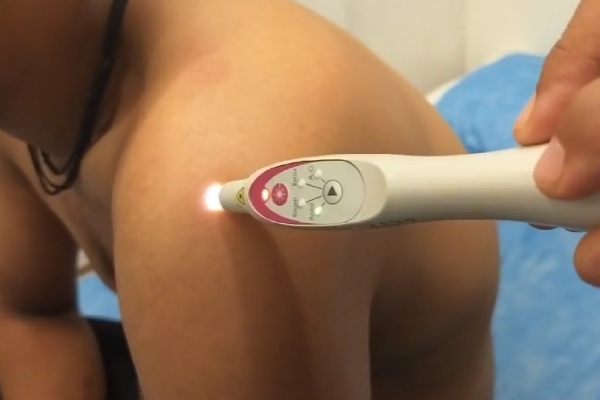
  • Laser acupuncture is a modern, needle-free form of acupuncture in which low-level laser light is used to stimulate specific acupoints instead of inserting needles. It combines principles of Acupuncture with light-based therapy.
  • A handheld device emits low-intensity laser light (usually red or infrared). The light is directed at specific acupuncture points. It penetrates the skin painlessly and stimulates nerve endings,  cellular activity and blood circulation.
  • Common uses of laser acupuncture are in :
    1. Pain management—Back pain, neck pain, arthritis
    2. Musculoskeletal conditions—Tendinitis, muscle injuries
    3. Neurological conditions—Neuropathy, nerve pain
    4. Weight loss & addiction support—Appetite control, smoking cessation
    5. Cosmetic treatments—Skin rejuvenation, anti-aging
    6. Pediatric and sensitive patients—Ideal for children or needle-phobic individuals as it is completely non-invasive and painless.
  • Protective eyewear is required during treatment
  • Laser acupuncture is a safe, painless, and needle-free alternative to traditional acupuncture that uses low-level laser light to stimulate acupoints. It is especially useful for patients who prefer non-invasive therapy, though it is typically used as a complementary treatment rather than a replacement for conventional care.

Acutron Therapy

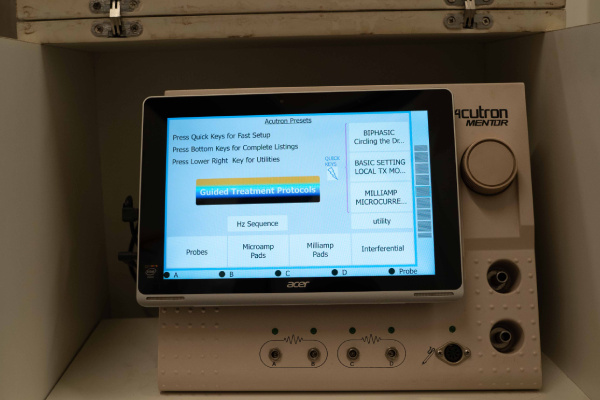
  • An Acutron therapy device is a modern, non-needle therapeutic instrument used in acupuncture-related practice to stimulate acupoints using electrical microcurrent, frequencies, and sometimes light therapy, instead of traditional needles.
  • It is part of the  needle-free acupuncture technologies.
  • The Acutron device is designed to mimic or enhance the effects of acupuncture by delivering microcurrent (very low electrical current), specific therapeutic frequencies and Sometimes color/light waves (chromotherapy)
  • These stimuli are applied to acupuncture points or affected body areas.
  • It improves cellular communication, stimulates healing responses and balance energy flow
  • The therapeutic effects of acutron therapy are:
    1. Pain relief by reducing inflammations.
    2. Cellular repair and tissue healing.
    3. Nervous system regulation specially balancing autonomic activity.
    4. Energy balancing
    5. Skin and cosmetic benefits—Used in facial rejuvenation (with light therapy)
  • An Acutron therapy device is a modern electro-acupuncture–type instrument that stimulates acupuncture points using microcurrent and frequency-based energy instead of needles. It is useful as a complementary, non-invasive therapy.

Cosmetic Acupuncture

  • Non-needle cosmetic acupuncture is a needle-free approach to facial rejuvenation that uses the principles of Acupuncture, but without inserting needles.
  • It is designed for people who want the benefits of acupuncture for skin and anti-aging but prefer a completely non-invasive method.
  • It improves blood circulation, enhances collagen production, relaxes facial muscles, promotes lymphatic drainage, and balances internal systems affecting skin health.
  • Following technques are used in cosmetic acupuncture:
    1. Acupressure—Gentle finger pressure on facial and body acupoints
    2. Facial massage —Lifting and toning techniques to improve skin elasticity
    3. Microcurrent therapy—Low-level electrical currents to stimulate facial muscles and cells
    4. Laser or light stimulation—Low-level laser used to activate acupoints
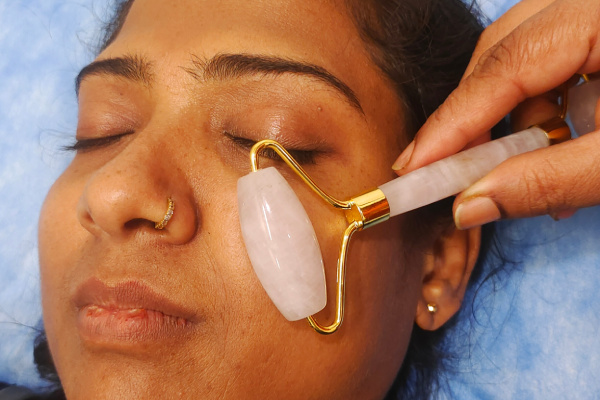
    5. Gua Sha (facial scraping technique)—Smooth tool used to improve circulation and lymphatic flow
    6. Cupping (facial)—Gentle suction cups to boost blood flow
  • Benefits of cosmetic acupuncture:
    • It improves skin tone and glow ,reduces fine lines and wrinkles, lifts and firms facial muscles, reduces puffiness and dark circles and promotes relaxation and stress reduction

Ultrasonopuncture

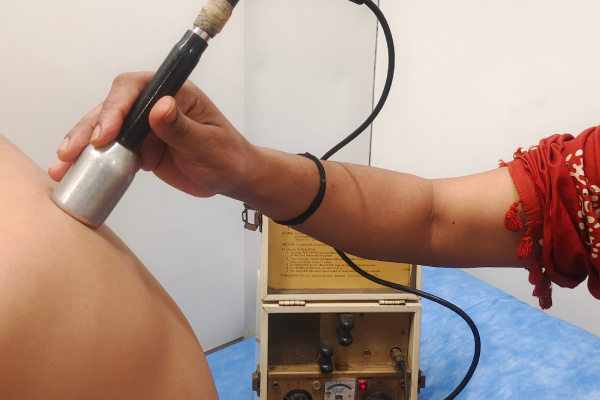
  • An ultrasonopuncture device is a needle-free therapeutic instrument that uses ultrasound waves to stimulate acupuncture points instead of inserting needles.   It is a combination of acupuncture and modern ultrasound therapy.
  • A probe (transducer) is placed on the skin over an acupoint.  It emits high-frequency sound waves (usually 1–3 MHz)
  • These waves penetrate soft tissues, produce micro-vibrations, improve circulation and cellular activity.
  • Common uses of ultrasonopuncture are:
    • Pain relief—Joint pain, back pain, muscle pain
    • Musculoskeletal disorders—Tendinitis, sprains, stiffness
    • Neurological conditions—Nerve pain, neuropathy
    • Inflammatory conditions—Helps reduce swelling and tissue irritation
  • Advantages of ultrasonopuncture are that it is completely needle-free, allows deeper tissue penetration than some other non-needle methods, combines benefits of ultrasound physiotherapy + acupoint stimulation.

Cupping therapy

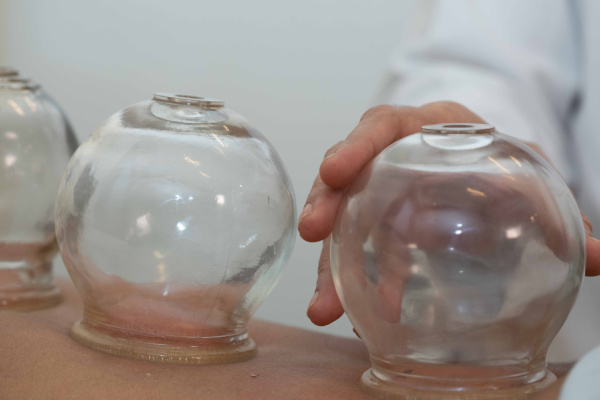
  • Cupping therapy is a traditional technique often used alongside Acupuncture in which special cups are placed on the skin to create suction. This suction draws the skin and underlying tissue upward to stimulate healing.
  • Cupping is believed to Improve the flow of Qi (energy). remove stagnation and toxins, restore balance in the body.
  • From a modern perspective, cupping increases local blood circulation, relaxes muscles , & reduces  pain and inflammation.
  • Cups (glass, plastic,  silicone or Bamboo) are placed on the skin.
  • Air inside the cup is removed (by heat or suction pump).
  • A vacuum is created. Skin is pulled upward.
  • Cups are left in place for 5–15 minutes.

Common uses for cupping are for :

  1. Pain relief—Back pain, neck pain, muscle stiffness
  2. Respiratory conditions—Cough, asthma, chest congestion
  3. Musculoskeletal issues—Sports injuries, joint pain
  4. Stress and fatigue—Promotes relaxation

It can be combined with acupuncture
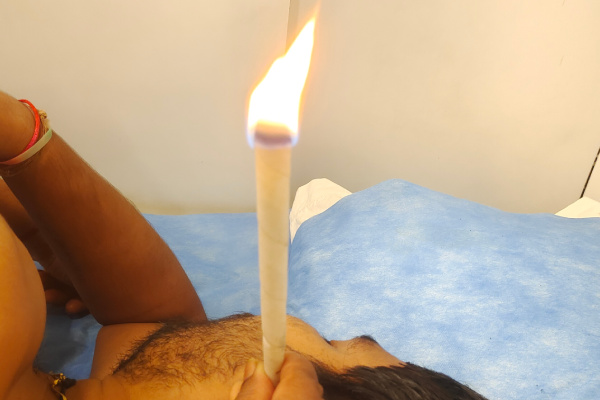
Ear Candle

  • Ear candling (also called ear coning) is a practice where a hollow, cone-shaped candle made of cloth and wax is placed in the ear canal and lit at the outer end.
  • Ear candling can remove earwax (“ear cleansing”), improve hearing ,relieve sinus pressure or headaches and promote relaxation.
  • The lit candle creates warmth and a vacuum effect”. This helps to draw wax and impurities out of the ear.

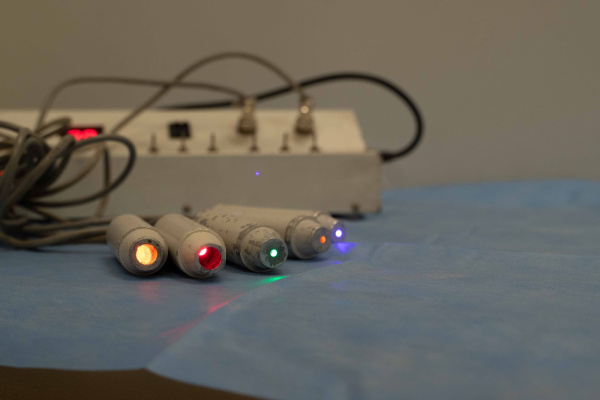
Colourpuncture

  • Colourpuncture (also called color acupuncture) is a needle-free therapy in which specific colours of light are applied to acupuncture points to stimulate healing—based on principles of Acupuncture combined with colour/light therapy.
  • Instead of needles,  a light device emits coloured light onto acupoints.  Each colour is believed to have a specific therapeutic effect.  The goal is to balance the body’s energy and functions.
  • Light penetrates the skin and  stimulates nerve endings,, influencing  cellular activity and promoting relaxation and healing.
  • Common colours and their effects:-
    • Red—Stimulating, improves circulation
    • Blue—Calming, reduces inflammation
    • Green—Balancing, harmonizing
    • Yellow—Digestive support, energy
    • Violet/Purple—Mental clarity, relaxation
  • Colour therapy can be used for
    • Pain management—Headaches, muscle pain
    • Emotional and psychological conditions—Stress, anxiety, mood imbalance
    • Skin and cosmetic treatments—Acne, anti-aging
    • Children and sensitive patients—Ideal due to non-invasive nature
    • General wellness and energy balance
  •  Advantages of colour therapy are that it is completely needle-free and painless, safe for children and needle-phobic patients, easy and quick application and can be combined with other therapies.
  • Colourpuncture is best considered: A complementary or wellness therapy, useful for relaxation and mild symptom relief, it is often combined with traditional acupuncture.

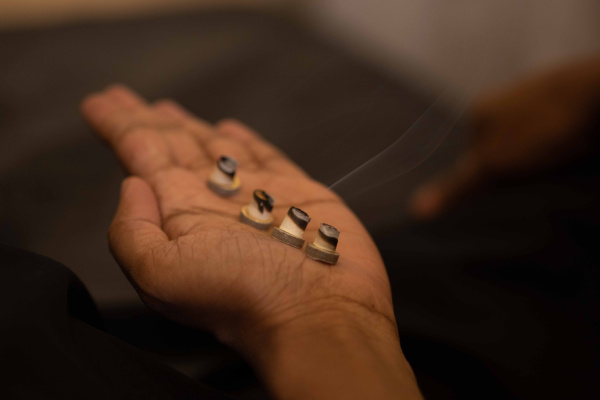
Sticky Moxa

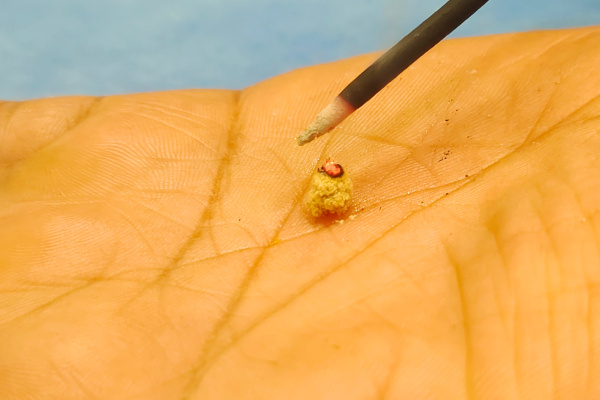
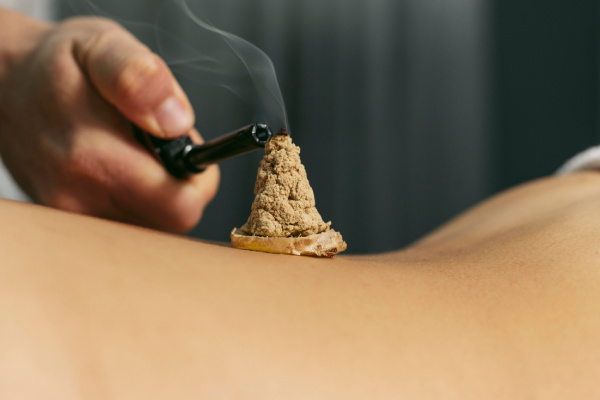
  • It is a modern, convenient form of indirect moxibustion used in Acupuncture where a small moxa cone is fixed onto the skin using an adhesive base.
  •  Sticky moxa is typically used for Joint pain (knee, shoulder, back) , chronic cold conditions, fatigue and low energy states. Sticky moxa is a “ready-to-use, stick-on moxa cone” that provides gentle, localized heat therapy directly on acupuncture points.

Box Moxa

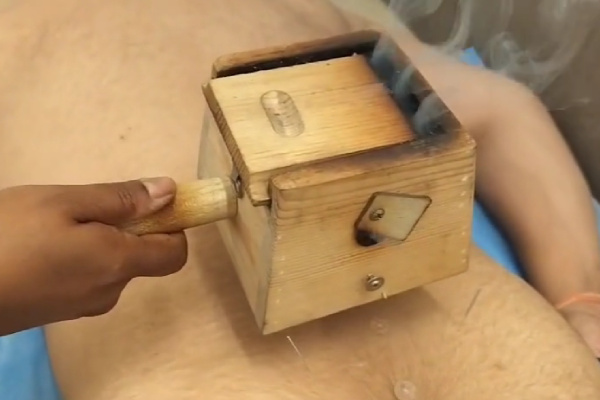
  • It is a form of indirect Traditional  heat therapy where burning moxa is placed inside a wooden or bamboo box and applied over a larger body area rather than a single point.
  • The box is positioned on the body (e.g., abdomen, lower back). Heat gently radiates through the base, giving broad, uniform warming. It produces steady, penetrating warmth.
  • It is often used for chronic conditions. Common treatment areas are abdomen, for digestive disorders,  lower back for lumbar pain and  Joints for arthritis and  stiffness.

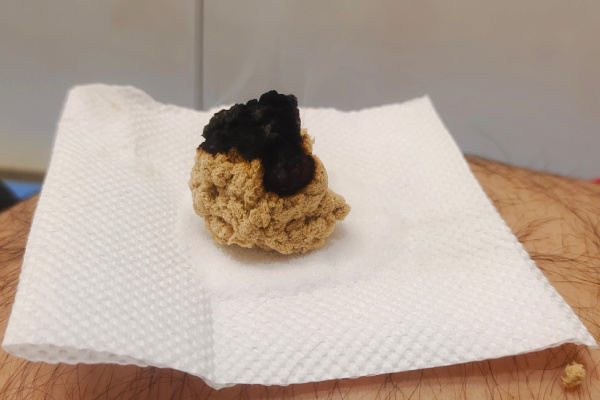
Salt Moxibustion

  • It is a traditional technique where moxa  is applied over a layer of salt placed on the skin, usually at specific acupuncture points.
  • Most common application site is the navel. The salt acts as a protective and conductive medium, preventing burns while allowing heat to penetrate deeply.
  • Salt moxa is considered a warming and tonifying therapy, especially useful for weak digestion, diarrhea, chronic fatigue or deficiency states and cold-type abdominal pain.

Roll Moxa

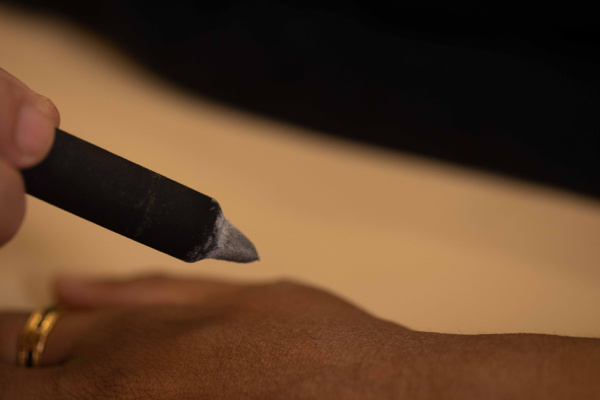
  • Roll moxa (also called moxa stick or cigar moxa) is a common form of moxibustion used in Acupuncture, where dried mugwort (moxa) is rolled into a cigar-like stick and burned near the skin to provide therapeutic heat.
  • It provides indirect heat stimulation without direct contact.  It gives gentle, penetrating warmth and is relaxing and soothing.
  • Common uses of roll moxa are in
    • Pain conditions like backpain, arthritis, muscle stiffness
    • Digestive disorders like weak digestion, abdominal pain
    • Cold conditions as seen with low energy, cold limbs
    • Gynecological issues like menstrual pain.

It is often combined with acupuncture for pain relief, circulation improvement and energy balance.
Instrument Moxa

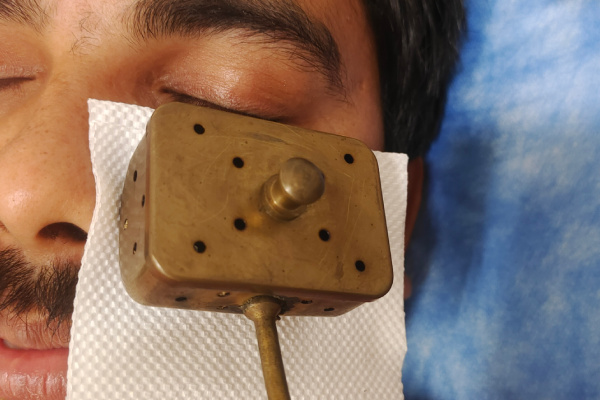
  • Instrument moxa for sinusitis is the use of a moxa container device  to deliver gentle, controlled heat over specific areas of the face or body to help relieve symptoms of Sinusitis. It is used as an adjunct with Acupuncture.
  • The gentle heat of moxa improve local circulation, help reduce congestion and promote drainage of sinuses.
  • It gives relief  in  nasal blockage, relieves headache and facial pressure and enhances overall comfort.
  • Instrument moxa for sinusitis is a controlled heat therapy using a moxa device applied to acupuncture points to help relieve congestion and improve sinus function. It is supportive and symptomatic treatment, best combined with standard medical care.

Ginger Moxa

  • Ginger moxa is a technique in Acupuncture where burning moxa (dried mugwort) is placed on top of a slice of fresh ginger over specific acupuncture points.
  • Long strip ginger moxa placed along the spine is called SNAKE MOXA.
  • It is applied in a continuous line like a snake and is used for chronic weakness, back pain, energy deficiency conditions.
  • Common uses of ginger moxa are
    • Digestive disorders: indigestion, abdominal pain
    • Cold conditions: low energy, cold limbs
    • Respiratory conditions: chronic cough, asthma
    • Musculoskeletal pain: back pain, joint stiffness

Rice Moxa

  • Rice moxa (also called rice-grain moxibustion) is a very fine and precise form of moxibustion used in Acupuncture, where tiny cone-shaped pieces of moxa (dried mugwort)—about the size of a grain of rice—are burned directly or indirectly on acupuncture points.  This allows highly controlled and localized stimulation
  • Common uses of rice moxa are:
    • Digestive disorders–weak digestion, abdominal pain
    • Chronic conditions–fatigue, low immunity
    • Pain relief–local pain and stiffness
    • Cold-type conditions–conditions associated with low energy or poor circulation
  • Rice moxa is often used  in Japanese acupuncture styles for fine, precise treatments alongside needling or other moxibustion techniques.

Bamboo moxa (Japanese Style)

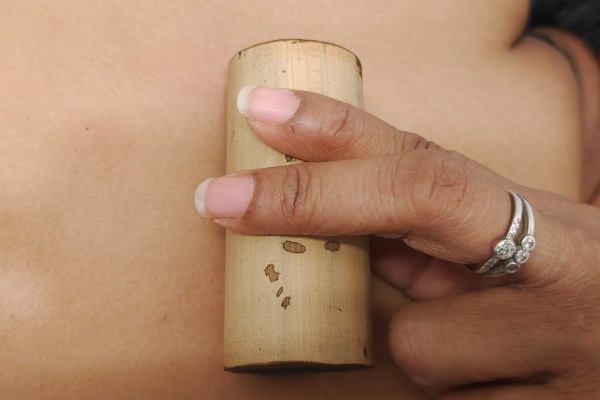
  • Bamboo moxa, is a specialized form of moxibustion used in Acupuncture, particularly within the Manaka Method. It involves using bamboo tubes to apply gentle heat therapy over acupuncture points or meridians.
  • The Manaka Method  is a Japanese style of acupuncture.  Moxa is placed inside the bamboo tube.
  • It is ignited carefully and the bamboo tube is placed over acupuncture points, abdomen, back, or meridians.  Heat is transmitted gently to the body.
  • Bamboo moxa has :
  1. Warming effect—useful in “cold” conditions (low energy, poor circulation)
  2. Improves circulation and enhances blood flow
  3. Pain relief–especially for chronic pain and stiffness
  4. Energy balancing which supports overall meridian harmony
  • Common uses of bamboo moxa are in  digestive disorders, chronic fatigue, and musculoskeletal pain.
  • Gynecological conditions and general weakness.

Guasha

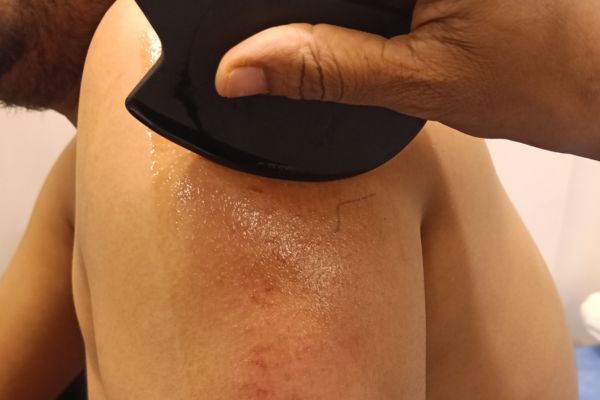
  • It is a traditional therapy, also called “scraping sand,” referring to the reddish petechiae ( sha) that may appear on the skin after treatment.
  • A smooth-edged tool ( Jade Stone) is used to gently scrape lubricated skin  ( with herbal oil), in repeated strokes to improve circulation and relieve pain or stagnation.  It can be done along acupuncture meridians to unblock them.
  • Guasha is commonly used for:
    • Neck and shoulder pain
    • Back stiffness
    • Muscle tightness
    • Headache and migraine
    • Sports recovery
    • Stress and fatigue
    • Poor circulation
    • Myofascial pain
    • Cold and flu symptoms
  • Facial gua sha is also used cosmetically for:
    • Puffiness reduction
    • Facial relaxation
    • Lymphatic drainage
    • Skin rejuvenation
  • Temporary redness or bruising can occur and usually fades within a few days.
Prickling neuro stimulation technique ( PNST)

Prickling neuro stimulation technique ( PNST)

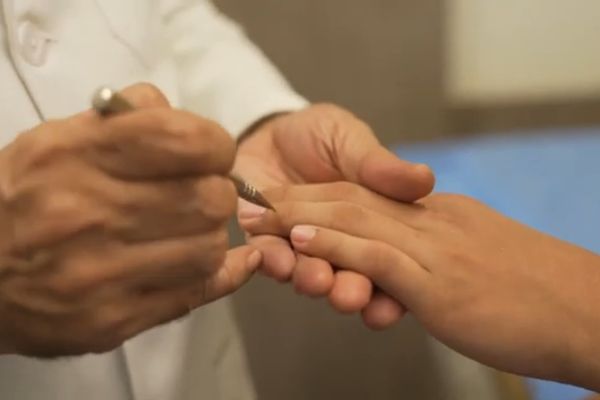
The Prickling Neuro Stimulation Technique (PNST) is a needle-free Japanese therapy developed by Dr. Hiroshi Nagata.  It involves quick, superficial pricking of the skin using a pointed tool along specific nerve dermatomes to stimulate peripheral nerves, balance the autonomic nervous system, and relieve pain.

How it works

  • Needle-less Acupuncture: Instead of penetrating the skin like classical acupuncture, it uses a blunt, specialized probe for quick, localized sensory stimulation.
  • Dermatomal Mapping: Practitioners target specific dermatomes—areas of skin supplied by a single spinal nerve—associated with the affected or stressed nerves causing pain.
  • Mechanisms: The stimulation helps balance the autonomic nervous system, promote blood circulation, and encourage the body’s natural healing power without drawing blood.

Indications for PNST

  • Pain Management: Commonly used for chronic pain , nerve pain, and general numbness.
  • Stress and Neurology: Utilized to treat stress-related conditions and occasionally neurological or autonomic imbalances.