
Optic nerve atrophy is a condition in which the optic nerve fibres are damaged, leading to partial or complete vision loss. It presents with symptoms of reduced visual acuity, pale optic disc, reduced colour vision and visual field defects.
Its common causes include glaucoma, optic neuritis, optic neuropathy, trauma and compressive lesions (tumors).
The condition is not reversible, but early treatment may help stabilise function and optimise residual vision. While acupuncture cannot regenerate dead optic nerve fibres, clinical evidence of modern acupuncture practice shows that it can help improve vision.
Potential benefits are achieved by improving eye blood circulation, including to the retina and optic nerve, supporting neuroplasticity, slowing down functional decline and improving vision-related symptoms.

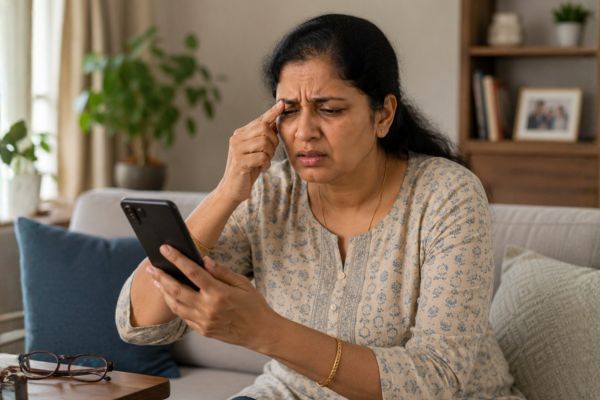
Glaucoma is a group of optic neuropathies characterised by progressive optic nerve damage and visual-field loss, most commonly associated with elevated eye pressure.
The four types of glaucoma are Primary Open Angle Glaucoma (POAG) (chronic, slow, most common); Closed Angle Glaucoma; normal-tension Glaucoma and Secondary Glaucoma (due to trauma, inflammation, use of steroids, etc.).
Acupuncture is used adjunctively and not as a replacement for eye pressure lowering medical therapy.
Its evidence-based effects are transient lowering of eye pressure, improving blood flow to the eyes and the optic nerve, decrease in eye fluid production, reducing eye discomfort, headaches and eye strain.
Acupuncture cannot reverse optic nerve atrophy caused by Glaucoma, but may help slow down functional deterioration and improve the quality of vision.
Retinal Degeneration includes a group of conditions that cause progressive damage to the retina.
Common types of retinal degeneration are Retinitis Pigmentosa (RP), Cone-Rod Dystrophies, age-related Macular Degeneration (AMD).
Common symptoms of RD are night blindness, peripheral visual field loss, reduced central visual acuity, glare sensitivity and slow light/dark adaptation.
Acupuncture does not reverse structural retinal loss but is used to improve ocular blood flow, reduce oxidative stress and neuroinflammation, support optic nerve and macular function, slow functional decline and reduce symptoms such as eye strain, dryness and or visual fatigue. Clinical studies have demonstrated improvements in visual field sensitivity, contrast sensitivity and subjective vision quality in patients.
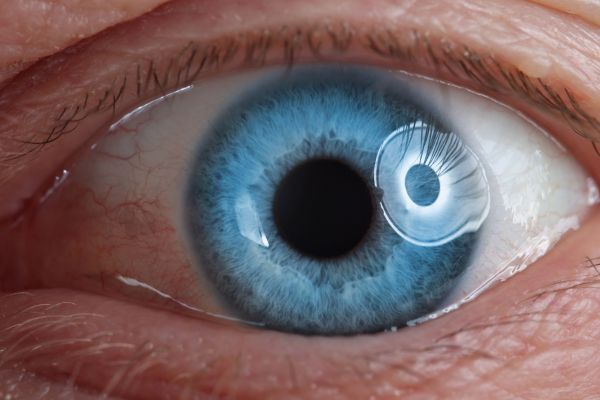

Early myopia (especially in children and adolescents) is characterised by progressive elongation of the eyeball, leading to blurred distant vision.
While conventional treatments include spectacles, orthokeratology and atropine drops, acupuncture is increasingly being utilised as a supportive therapy to slow myopia progression, reduce visual fatigue and improve accommodative function.
Conjunctivitis is inflammation of the conjunctiva, presenting with redness in the eyes, watering/ discharge from the eyes, itching, sensitivity to light and foreign-body sensation. It could be viral, bacterial, allergic or irritant conjunctivitis.
Acupuncture has an anti-inflammatory, analgesic and soothing effect on conjunctivitis by reducing redness and burning in the eyes. It also reduces sensitivity to light.
It is beneficial in allergic conjunctivitis through immunomodulation.
Acupuncture also increases microcirculation in the tissues surrounding the eyes, reduces swelling and promotes tissue repair.

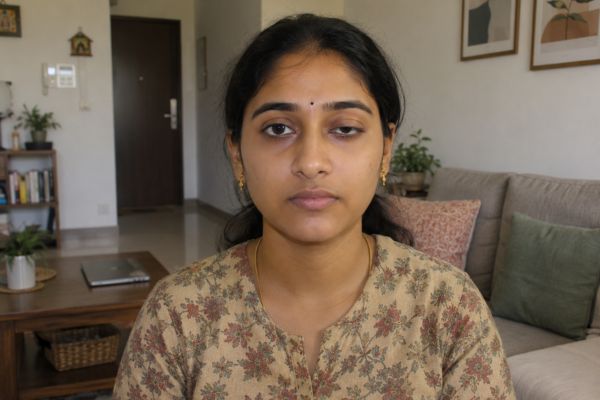
Ptosis is the drooping of the upper eyelid, caused by muscle weakness, nerve dysfunction due to stroke, Bell’s Palsy, ageing, trauma or post-surgical weakness.
Acute or progressive ptosis requires medical evaluation to rule out neurological emergencies.
Acupuncture enhances local microcirculation and nerve regeneration, stimulates muscle tone, modulates facial/ oculomotor nerve pathways and reduces local inflammation and edema, working best in addressing functional weakness.
Otitis media is inflammation or infection of the middle ear in children, commonly presenting with ear pain, ear fullness or pressure, fever (occasionally), hearing reduction, irritability and sometimes ear discharge (if the tympanic membrane perforates).
Acupuncture is used as an adjunct to conventional medical care and not a replacement for antibiotics when indicated.
Clinical effects observed are reduction in ear pain by modulating nerve pathways, improvement in Eustachian tube drainage, reduction in nasopharyngeal congestion, regulation of local immune response, decrease in inflammation and middle ear pressure.
Several studies report decreased duration of pain and quicker fluid resolution when acupuncture is combined with standard treatment.
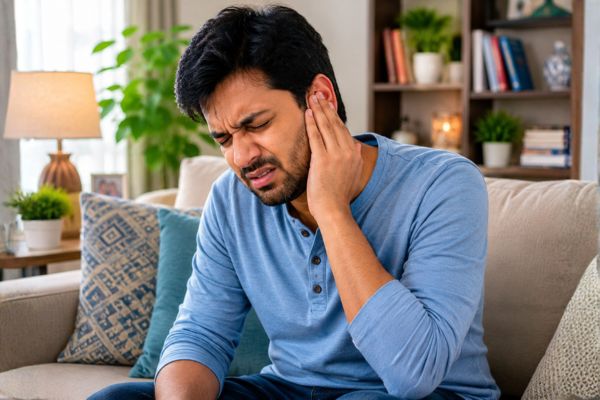
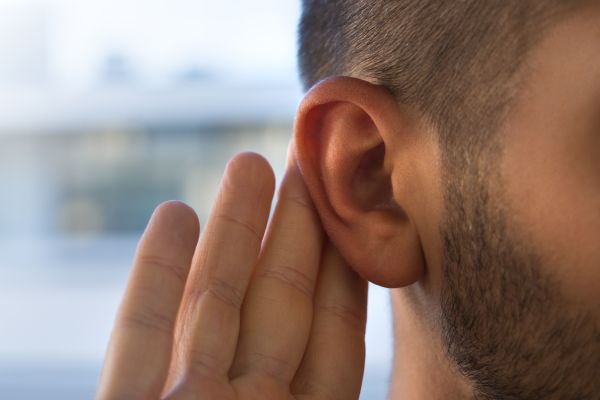
Loss of hearing can be conductive, involving outer or middle ear dysfunction (wax, otitis media, perforation, ossicle issue), sensorineural (due to cochlear hair cell damage, age-related presbycusis, noise-induced, SSNHL – sudden sensorineural hearing loss) or mixed, which is combination of both.
Symptoms include reduced hearing clarity, difficulty in conversation, tinnitus, ear pressure or fullness and body imbalance.
Acupuncture is an adjunct therapy in ENT management. It may be used along with conventional treatments for SSNHL, tinnitus-associated hearing impairment, chronic otitis media related hearing deficits, aged-related hearing decline and Eustachian Tube Dysfunction.
Its research-based mechanisms are improvement in cochlear microcirculation, reduction in inflammation and edema in middle or inner ear, regulation of auditory nerve conditions and balancing of Acupuncture Meridians. Acupuncture also reduces stress and sympathetic overactivity, thereby improving tinnitus-related symptoms.
Tinnitus is the perception of sound (ringing, buzzing, humming) in the absence of external sound.
Common causes of tinnitus are noise exposure, sensorineural hearing loss, ear infections, temporo-mandibular joint dysfunction, cervical spine issues, stress and sleep disturbance.
Research suggests that acupuncture helps tinnitus by improving microcirculation in the inner ear, modulating auditory cortex activity in brain, regulating sympathetic overactivity and stress and reducing associated symptoms such as anxiety, insomnia and neck tension.
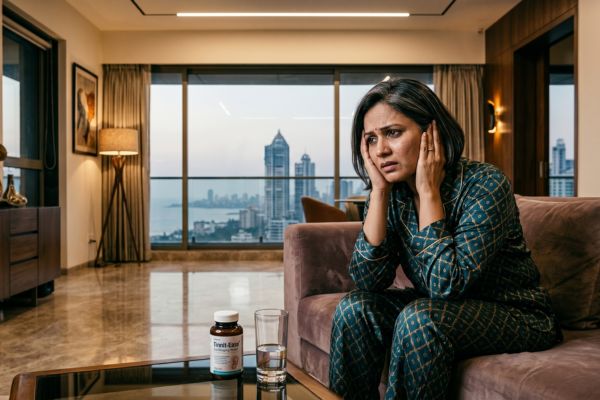

Dizziness and vertigo are general feelings of light-headedness, imbalance or faintness, sometimes accompanied by a spinning sensation.
Common causes are Benign Paroxysmal Positional Vertigo (BPPV), vestibular neuritis/ labyrinthitis (inner ear disorders), Meniere’s Disease (combination of vertigo, tinnitus and hearing loss), cervicogenic vertigo (neck-related), migraine-associated vertigo, blood pressure fluctuations, anemia, dehydration and metabolic imbalance.
Acupuncture works through physiological mechanisms that improve inner ear microcirculation, reduce inflammation of the vestibular nerve, regulate the autonomic nervous system, relieve neck muscle tension that contributes to cervicogenic vertigo and increase neurotransmitters that control anxiety and stress.