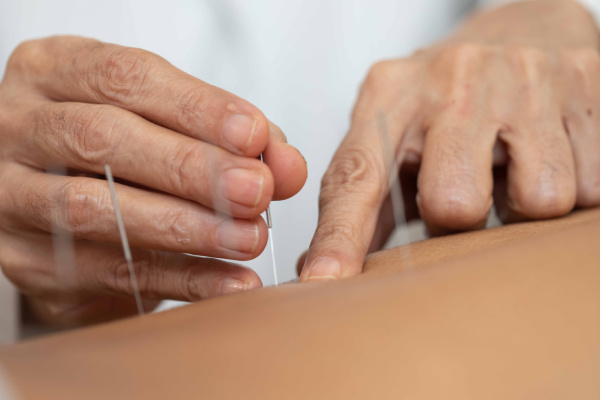
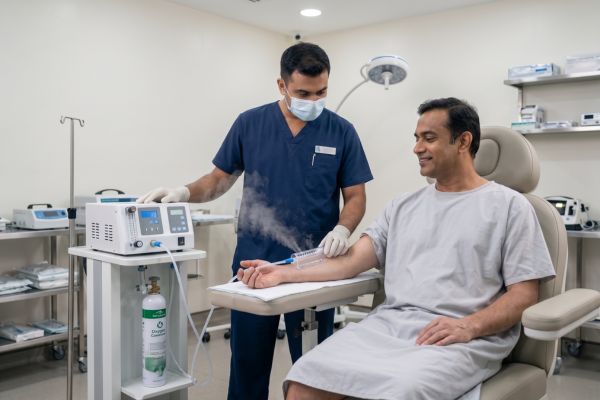
Needle Acupuncture refers to the technique of inserting very thin, sterile needles into specific points on the body (called acupoints) to achieve therapeutic effects.
It is the core procedure used in acupuncture treatment.
It stimulates nerves, muscles, and connective tissue, triggers the release of endorphins (natural painkillers), improves blood circulation, and influences the nervous and hormonal systems
From a Traditional perspective, it helps to regulate the flow of energy through pathways called meridians
Types of acupuncture needling techniques
Manual needling—Needle is inserted and gently manipulated (twisting, lifting, thrusting)
Electroacupuncture—Mild electrical current passed through needles for stronger stimulation
Dry needling—Focuses on trigger points in muscles.
Superficial needling—Very shallow insertion (used in sensitive patients or children)
Needles are typically left in place for 15–30 minutes
It is Generally a very safe technique, uses single-use, sterile needles.
Acupuncture needling is used to relieve pain, reduce inflammation, improve organ function, restore overall balance in the body.
Acupuncture needling is a precise, controlled therapeutic technique that stimulates specific points in the body to promote healing and restore balance, combining both traditional concepts and modern neurophysiological effects.
Plum Blossom Needle
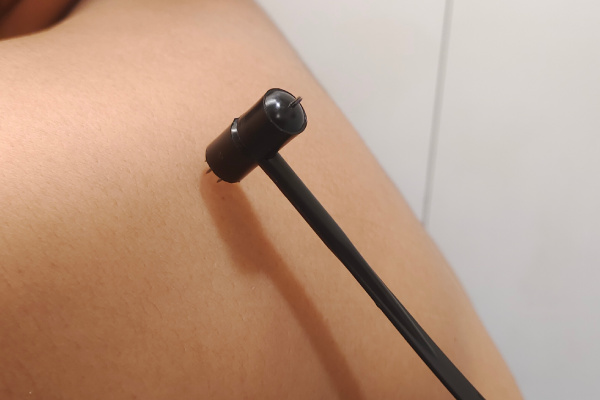
Plum blossom needling (also called seven-star needle therapy) is a specialized technique in Acupuncture where a small handheld instrument with multiple tiny needles is used to tap the skin rhythmically instead of inserting single needles deeply.
The needle head typically has 5–7 short needles arranged like the petals of a plum blossom, giving the technique its name.
The tapping creates mild stimulation of the skin and superficial tissues.
It stimulates nerve endings, improves local blood circulation, trigger healing responses.
It is commonly used in :
Skin conditions–Acne, eczema, hair loss (alopecia)
Neurological conditions–Nerve pain, paralysis support
Musculoskeletal pain–Local pain and stiffness
Circulation problems–Improves local blood flow
Ear Embedding Needle
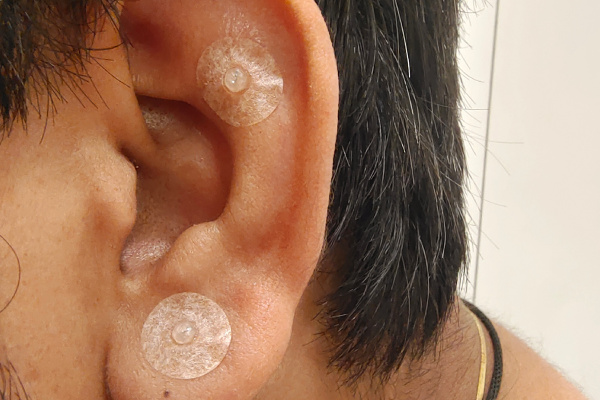
An ear embedding needle is a small, specialized device used in Acupuncture, specifically in auricular (ear) acupuncture, to provide continuous, gentle stimulation of points on the ear.
It is also commonly called a press needle or semi-permanent needle.
In auricular acupuncture, the ear is considered a microsystem of the whole body—different points on the ear correspond to organs and functions.
An ear press needle Is fixed on the ear with adhesive tape that stays in place for several hours to a few days. It provides ongoing stimulation without repeated needling.
It stimulates nerve endings connected to the brain & helps regulate body functions and reduce symptoms
Common uses of ear press needles are for
Pain management—Headache, back pain
Addiction control—Smoking cessation, weight loss
Stress and anxiety—Calming effect
Sleep problems—Insomnia
Digestive issues—Appetite control
Intradermal Body Needle
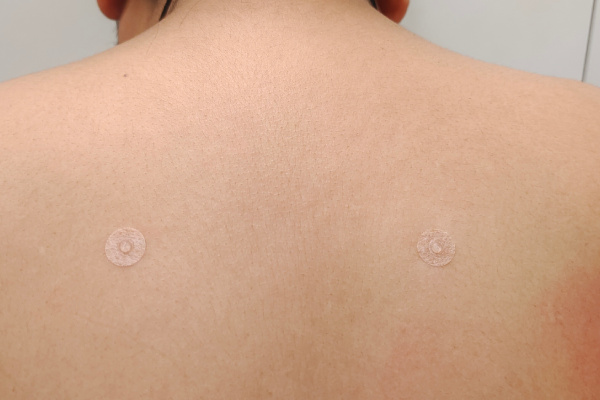
An intradermal body needle is a very small, short acupuncture needle designed to be inserted superficially into the skin (intradermal layer) and left in place for a longer duration—typically from several hours up to a few days.
It is a specialized acupuncture technique .
Unlike regular acupuncture needles (which are inserted and removed during a session), intradermal needles are tiny and very shallowly inserted, fixed in place with adhesive tape and provide continuous, mild stimulation over time.
It stimulates local nerve endings and tissues continuously. The patient can move normally while wearing it
Common uses of intradermal body needles are:
Chronic pain conditions—Neck pain, back pain, joint pain
Muscle tension—Myofascial pain
Neurological conditions—Nerve-related pain
Stress, anxiety and addictions– Continuous calming effect
Intradermal needles are commonly used between regular acupuncture sessions, for continuous therapy in chronic conditions. It is used in combination with other acupuncture techniques.
Auto Immunization
Auto-immunization therapy or point injection therapy (often called acupuncture point injection) is a technique where small amounts of a substance are injected into specific acupuncture points instead of inserting dry needles alone. It combines principles of Acupuncture with injection-based medical therapy.
In “auto-immunization” , a small amount of the patient’s own blood is drawn, then injected into acupuncture points or muscles. It stimulates the immune response and enhances healing.
Substances commonly used for point injection are normal saline, vitamins (e.g., B12), local anesthetics, patient’s own blood (autologous therapy)
Common uses of immunization or point-injection therapy are:-
Catgut embedding therapy (also called thread embedding acupuncture) is a specialized technique in Acupuncture where absorbable surgical thread (traditionally catgut) is inserted into specific acupuncture points to provide long-term stimulation.
In catgut embedding, a small piece of absorbable thread is implanted into the acupoint. It remains in the tissue and gradually dissolves over days to weeks and provides prolonged continuous stimulation of nerves and tissues.
Common uses of catgut embedding therapy are in :-
Obesity and weight loss
Chronic pain—Back pain, arthritis
Neurological conditions—Paralysis, neuropathy
Hormonal disorders—PCOS, menstrual disorders
Chronic diseases—Asthma, digestive disorders
Advantages of catgut embedding over acupuncture are that it has long-lasting effect (days to weeks), fewer treatment sessions needed and it is very useful for chronic conditions and it gives continuous stimulation.
Ozone therapy
Ozone therapy in acupuncture refers to a hybrid technique where medical ozone gas (O₃) is introduced into the body—often injected at acupuncture points or affected tissues—to enhance therapeutic effects. It combines elements of Acupuncture with ozone-based medical treatment.
Ozone therapy uses a controlled mixture of oxygen (O₂) and ozone (O₃) for therapeutic purposes. In medicine, it is used for improving oxygen delivery to tissues, reducing infection (antimicrobial effect) and Modulating inflammation.
In acupuncture, instead of only inserting needles, a small amount of ozone gas is injected into acupuncture points or into muscles/joints related to the condition
The positive effects of ozone therapy are:
Improves oxygenation—Enhances oxygen supply to tissues
Anti-inflammatory effect—Helps reduce swelling and pain
Antimicrobial action—Ozone can kill bacteria, viruses, fungi
Immune modulation—May stimulate the body’s defense mechanisms