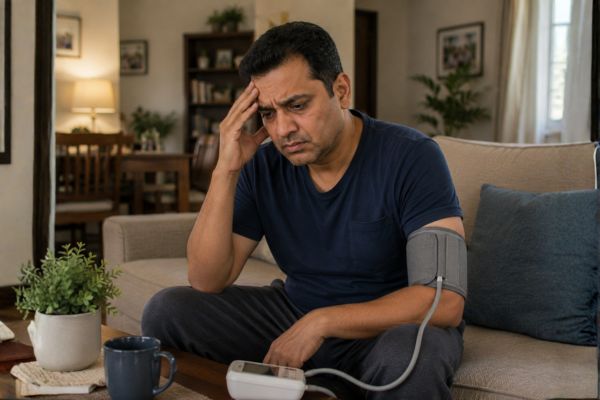

Chronic fatigue Syndrome

  • Chronic Fatigue Syndrome (CFS/ME) is a long-term condition characterized by severe, persistent fatigue that is not relieved by rest and significantly interferes with daily life.
  • A key feature is post-exertional malaise (Body pain)—worsening of symptoms after even minor physical or mental effort.
  • Common symptoms are extreme tiredness lasting ≥6 months, poor concentration (“brain fog”), Unrefreshing sleep, muscle and joint pain ,headaches sore throat or tender lymph nodes and dizziness
  • Acupuncture, is used as a supportive therapy to help manage symptoms of CFS.
  • It Improves energy levels, balances nervous system, enhances sleep quality, reduces pain and muscle tension, supports immune function and reduces stress and anxiety
  • Acupuncture can help reduce fatigue, improve sleep, and enhance quality of life in chronic fatigue syndrome, but it should be used as a complementary approach, not a standalone cure.  Its advantage is that it is a non-drug therapy, no side effects and addresses multiple symptoms ( fatigue, sleep, stress).

Cancer

  • Cancer is a group of diseases in which abnormal cells grow uncontrollably, invade nearby tissues, and can spread to other parts of the body (metastasis).
  • Acupuncture is used as a supportive (integrative) therapy, not as a cure for cancer.

It helps cancer patients with

  • Pain relief
    • Reduces cancer-related pain
    • Helpful in post-surgical pain
  • Reduces chemotherapy side effects
    • Nausea and vomiting
    • Fatigue
    • Loss of appetite
  • Neuropathy management
    • Helps chemotherapy-induced nerve pain (tingling, numbness)
  • Improves sleep and reduces anxiety
    • Promotes relaxation and emotional well-being
  • Boosts quality of life
    • Improves energy, mood, and overall comfort

Acupuncture plays a valuable supportive role in cancer care, especially for managing symptoms and improving quality of life, but it should never replace conventional cancer treatments, which remain the cornerstone of therapy.


Miscellaneous Diseases Updated

Prostate Diseases

Prostate diseases refer to conditions affecting this gland, most commonly:

  • Benign Prostatic Hyperplasia (BPH)–Non-cancerous enlargement of the prostate (common with aging). Its Symptoms are frequent urination (especially at night), weak urine stream ,difficulty starting urination and Incomplete bladder emptying
  • Prostatitis–Inflammation of the prostate. Its Symptoms are  pelvic pain, painful urination ,pain during ejaculation and urinary urgency
  • Prostate Cancer. Its Symptoms (late stages) are, urinary problems, blood in urine or semen and Bone pain

Acupuncture is used as a supportive therapy, especially for symptom relief.

  • Improves urinary flow–Relaxes pelvic muscles and reduces obstruction symptoms (especially in BPH)
  • Reduces inflammation–Helpful in chronic prostatitis
  • Pain relief–Reduces pelvic pain and discomfort
  • Regulates nervous system–Improves bladder control and reduces urgency
  • Improves quality of life–Better sleep (less nocturia), reduced stress

It is most useful in 

  • BPH: Helps reduce urinary symptoms
  • Chronic prostatitis: Good for pain and discomfort
  • Prostate cancer: Supportive care (pain, side effects of treatment), not curative

Acupuncture can help relieve symptoms of prostate diseases—especially urinary problems and pelvic pain—but it is a complementary therapy, not a replacement for standard medical or surgical treatment.


Urinary incontinence

  • Urinary Incontinence is the involuntary leakage of urine due to loss of normal bladder control. It can range from occasional dribbling to complete inability to hold urine.
  • Various types of urinary incontinence are:-
    • Stress incontinence–Leakage during coughing, sneezing, laughing, or exercise, common in women (especially after childbirth)
    • Urge incontinence (overactive bladder)–Sudden, strong urge to urinate followed by leakage
    • Overflow incontinence–Bladder doesn’t empty completely → frequent dribbling
    • Functional incontinence–Due to mobility or cognitive issues
  • The main causes of urinary incontinence are weak pelvic floor muscles, aging, pregnancy and childbirth
  • Prostate problems (in men), nerve damage (e.g., diabetes, stroke) and urinary tract infections
  • Acupuncture is used as a complementary therapy, especially in mild to moderate cases.
  • It Improves bladder control, strengthens pelvic floor function, regulates bladder activity
  • Helps reduce overactive bladder symptoms (urgency, frequency), hormonal and nervous system balance, useful in postmenopausal women and stress-related cases, reduces inflammation and help in chronic bladder irritation
  • Acupuncture can help improve bladder control and reduce symptoms of urinary incontinence, especially in mild to moderate cases, but it works best as part of a comprehensive treatment plan, not as a standalone cure.
Urinary Updated
Thyroid Updated

Thyroid Diseases

  • Thyroid diseases are disorders of the Thyroid Gland that regulates  metabolism, energy, temperature, and many body functions.

Common types of thyroid disorders

  • Hypothyroidism—Too little thyroid hormone
    • Causes: autoimmune disease (e.g., Hashimoto’s Thyroiditis), iodine deficiency
    • Symptoms are fatigue, weight gain ,cold intolerance, dry skin, hair fall, constipation
  • Hyperthyroidism–Excess thyroid hormone
    • Common cause: Graves’ Disease
    • Symptoms are weight loss, heat intolerance, palpitations, anxiety, tremors and increased sweating
  • Thyroid nodules and goiter—(enlargement or lump in thyroid gland). It may or may not effect hormone levels.
  • Acupuncture is used as a supportive (complementary) therapy, not a replacement for medical treatment.
  • Acupuncture may help in hormonal regulation support and  stabilize hormone fluctuations, Immune modulation in autoimmune thyroid disorders like Hashimoto’s and Graves’
  • Symptom relief by improving  fatigue, anxiety, insomnia, palpitations , weight management and Stress reduction
  • Acupuncture can help manage symptoms and improve overall balance in thyroid disorders, especially autoimmune and stress-related aspects, but it should always be used alongside standard medical treatment.

High Cholesterol

  • Hypercholesterolemia refers to elevated levels of cholesterol (a type of fat) in the blood.
  • High cholesterol is dangerous as it leads to plaque formation in arteries,  which can result in heart attack, stroke and peripheral artery disease.
  • Acupuncture is used as a complementary therapy.
  • It Improves lipid metabolism, may help reduce LDL and triglycerides, may  increase HDL, support liver function ,weight reduction support, helps appetite control and metabolism, reduces stress and  Improves insulin sensitivity, useful in patients with metabolic syndrome
  • Acupuncture can support cholesterol management by improving metabolism and reducing stress, but it should be used alongside lifestyle changes and medical treatment, not as a replacement.

Essential Hypertension

  • Essential Hypertension is a chronic condition in which blood pressure is persistently elevated without a specific identifiable cause.
  • Blood pressure is considered high when it is consistently: ≥140/90 mmHg (traditional cutoff)
  • It results from a combination of factors: Genetic predisposition, high salt intake, obesity, sedentary lifestyle, Stress, excess alcohol and aging and vascular stiffness
  • Symptoms are headache, dizziness and Palpitations. Often called a “ silent disease” because most people have no symptoms.

Complications (if uncontrolled) are heart attack and stroke, kidney disease, Vision loss  and Heart failure

Acupuncture is used as a complementary therapy in managing high blood pressure.  It helps in

  • Regulation of autonomic nervous system ( lowers BP)
  • Vasodilation (blood vessel relaxation)
  • Stress and anxiety reduction
  • Hormonal modulation
  • Improves overall cardiovascular function

Acupuncture can support blood pressure control, especially by reducing stress and improving vascular function, but it should be used as an adjunct—not a substitute—for standard medical treatment and lifestyle modification.
Diabetic Neuropathy

  • Its Symptoms are burning, tingling, or numbness, sharp or shooting pain, loss of sensation (risk of unnoticed injuries), muscle weakness, balance problems
  • Complications of diabetic neuropathy are foot ulcers, Infections  with  risk of amputation, reduced quality of life
  • Acupuncture gives pain relief, improves nerve function, improves  blood circulation, reduces inflammation and  improves sensation
  • Acupuncture is a useful complementary therapy for diabetic neuropathy—particularly for reducing pain and improving nerve function—but it works best alongside proper diabetes management.
Neuropathy
Diabetes

Diabetes

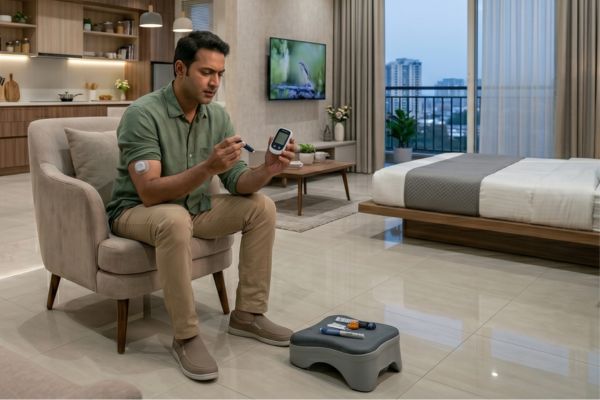
  • Diabetes Mellitus is a long-term condition in which blood glucose (sugar) levels remain higher than normal.
  • Main types of diabetes are
    • Type 1 Diabetes:-Autoimmune destruction of insulin-producing cells that requires lifelong insulin
    • Type 2 Diabetes:- Most common due to insulin resistance + relative deficiency, strongly linked with obesity and lifestyle, gestational Diabetes, occurs during pregnancy
  • Symptoms of diabetes are excessive thirst and urination, increased hunger, fatigue, blurred vision and Slow wound healing
  • Complications (if uncontrolled) of diabetes include ,heart disease, stroke,kidney damage, Nerve damage (neuropathy) and eye problems (retinopathy)
  • Acupuncture is increasingly used as a supportive therapy in diabetes management.
  • It improves insulin sensitivity, regulates blood glucose, supports pancreatic function, reduces stress helps in weight management, useful in obese Type 2 diabetics, relieves complications and especially helpful in diabetic neuropathy (pain, tingling)
  • Acupuncture can be a valuable complementary therapy in diabetes—especially for improving metabolic control and complications—but it should always be used alongside standard medical care, not as a replacement.

Obesity

  • Obesity is a medical condition in which excess body fat accumulates to a level that may impair health. It is commonly assessed using the Body Mass Index (BMI):
    • BMI 25–29.9 → Overweight
    • BMI ≥30 → Obesity
  • It is linked with conditions like **Type 2 Diabetes, hypertension, heart disease, fatty liver, and joint problems.
  • Obesity is not just “eating too much.” It’s multifactorial like  excess calorie intake vs low physical activity , genetic predisposition, hormonal imbalance (e.g., thyroid, insulin resistance), stress, sleep disturbances and certain medications
  • Acupuncture may help in weight loss by appetite control, hormonal regulation , helps in insulin sensitivity, stress reduction, metabolism support anad digestive function
  • Acupuncture can support weight loss, especially when combined with diet and exercise
Obesity