Pain Related Conditions Updated

Fibromyalgia

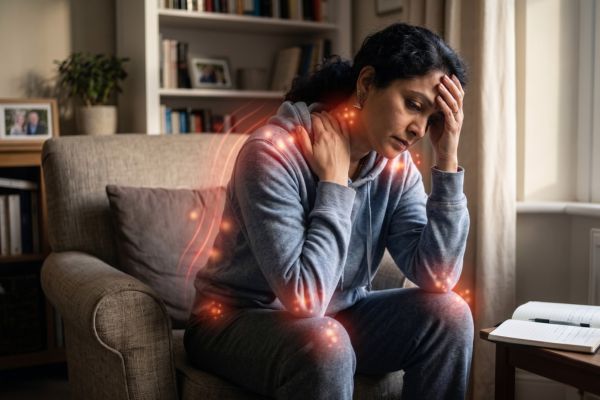
  • Fibromyalgia is a chronic pain disorder characterised by widespread musculoskeletal pain, fatigue, sleep disturbances and cognitive difficulties. It is considered a central sensitisation syndrome, where the nervous system amplifies pain signals.
  • Common symptoms of fibromyalgia are widespread body pain and tenderness, fatigue and non-refreshing sleep, morning stiffness, headaches, IBS, bloating, anxiety, depression and poor concentration.
  • Acupuncture helps regulate pain pathways, improve sleep, reduce fatigue and balance emotional health. It modulates neurotransmitters to reduce central sensitisation and improves the overall quality of life.

Knee Pain

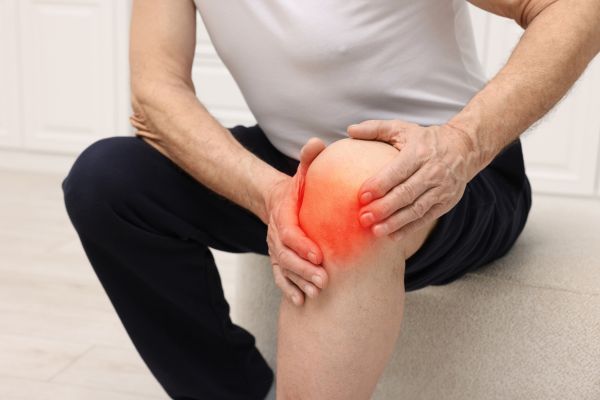
  • Knee pain is discomfort, pain, stiffness, swelling or reduced movement in or around the knee joint.  It can be acute (injury-related) or chronic (degenerative or inflammatory) and commonly affects mobility and daily activities (especially walking, climbing stairs and squatting).
  • Common causes of knee pain are osteoarthritis, rheumatoid or inflammatory arthritis, meniscal degeneration or tear, ligament injuries (ACL, MCL), patellofemoral pain syndrome, bursitis or tendonitis and post-traumatic or post-surgical changes.
  • Acupuncture is a safe and effective complementary therapy for managing knee pain, especially in chronic and degenerative conditions. It helps relieve pain, improve mobility and slow the progression of knee joint degeneration.  It works best when combined with a proper diagnosis, regular sessions, exercise and conventional medical care, where required.
Gout Pain

Gout Pain

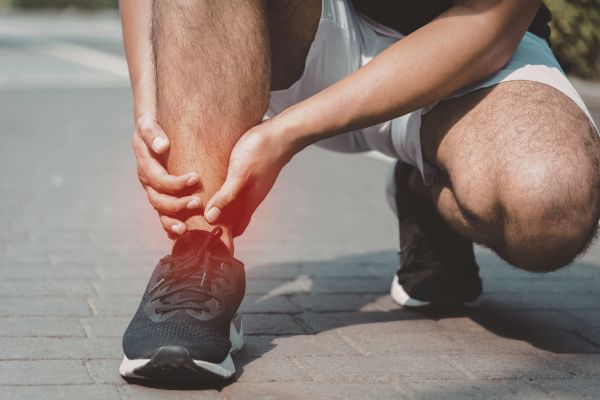
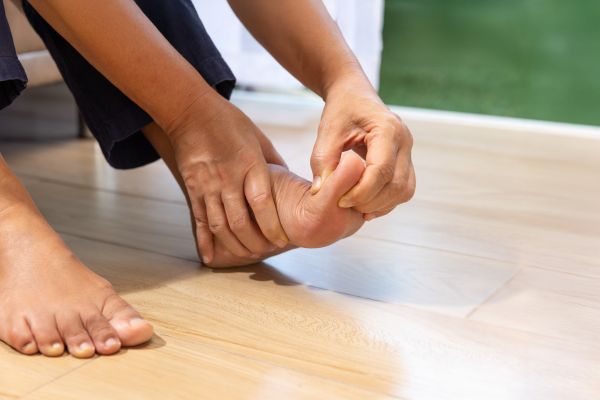
  • Gout is a type of inflammatory arthritis caused by elevated levels of uric acid in the blood. When uric acid crystalises, it deposits in the joints and surrounding tissues, leading to sudden and severe pain, swelling, redness and warmth.  Gout commonly affects the big toe, but the ankle, knee, foot, wrist and elbow may also be impacted.
  • Acupuncture relieves acute pain and inflammation, reduces joint swelling and stiffness and helps prevent recurrent gout attacks.

Wrist Pain and Carpal Tunnel Syndrome

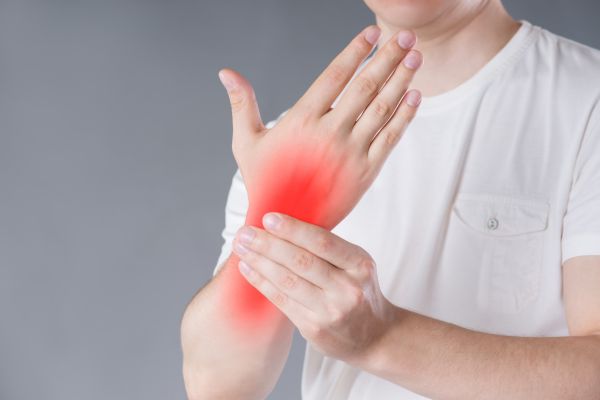
  • Wrist pain refers to discomfort, stiffness, dull ache or sharp pain in or around the wrist joint. It can interfere with daily activities such as writing, typing, lifting, gripping and fine hand movements.
  • Common causes of wrist pain are tendonitis/ tenosynovitis (e.g. De Quervain’s), Carpal Tunnel Syndrome, Repetitive Strain Injury (RSI), ligament sprain or overuse injury, arthritis (Osteoarthritis, Rheumatoid Arthritis), ganglion, cyst, post-traumatic pain (such as a fracture fall) and cervical radiculopathy (referred pain).
  • Patient may present with symptoms of pain on movement or at rest, swelling, warmth, stiffness – especially in the morning, numbness or tingling in fingers and reduced grip strength.
  •  Acupuncture helps in treating wrist pain as it reduces inflammation, improves local blood circulation, relaxes muscles and tendons, relieves nerve compression, improves wrist mobility and grip strength and prevents chronicity and recurrence.
Plantar Fasciitis (Heel Pain)

Plantar Fasciitis (Heel Pain)

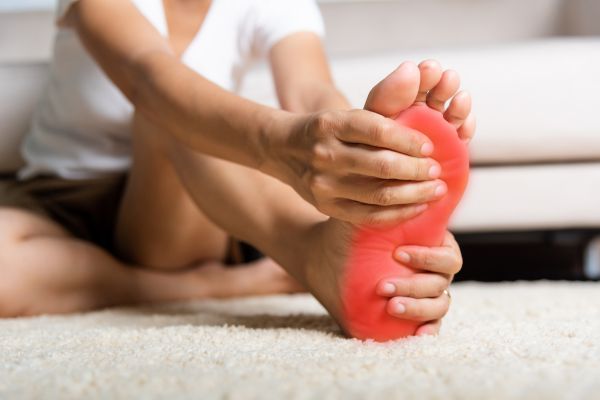
  • Plantar Fasciitis is a common cause of heel pain resulting from inflammation, micro tears or degeneration of the plantar fascia.  The plantar fascia is a thick fibrous band that runs from the heel bone (calcaneus) to the toes and plays a key role in maintaining foot arch and absorbing shock while walking.
  • Common presenting symptoms of Plantar Fasciitis are sharp or persistent pain at the heel, especially with first steps in the morning, pain after prolonged standing, walking or after periods of rest, tenderness on the inner side of the heel and associated calf tightness or Achilles tendon stiffness.
  • Acupuncture is an effective, safe and non-invasive therapy for plantar Fasciitis. It helps reduce pain, inflammation and functional disability while promoting tissue healing.  It relaxes tight calf muscles and the plantar fascia.  It also improves foot biomechanics and mobility.

Arthritis

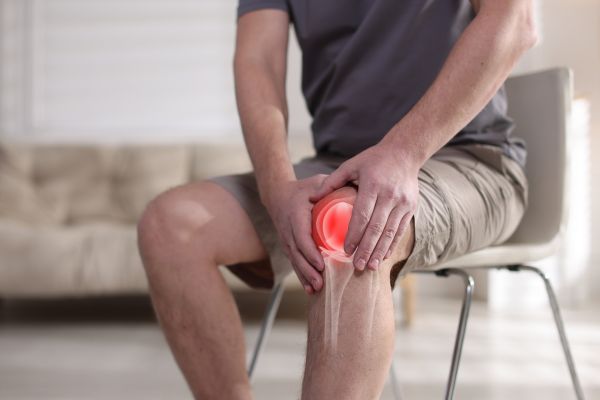
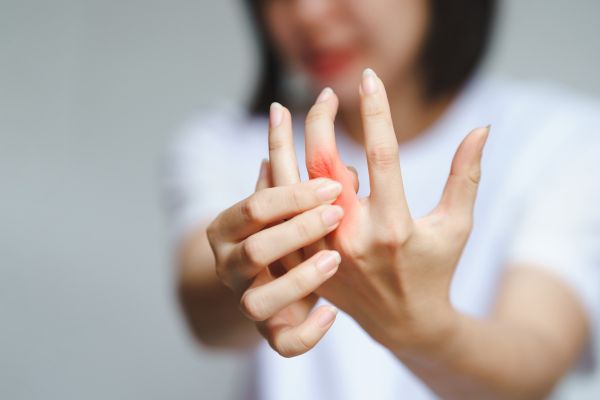
Arthritis refers to a group of disorders characterised by inflammation, pain, stiffness and degeneration of joints. It can affect people of all ages and commonly involves joints of the knees, hips, spine, hands and feet.

Common types of arthritis are

  • Osteoarthritis: degenerative wear-and-tear arthritis causing pain and stiffness.
  • Rheumatoid Arthritis: autoimmune inflammatory arthritis with joint swelling and deformity.
  • Gouty Arthritis: caused by uric acid crystal deposition.
  • Psoriatic and other inflammatory arthritis.

Acupuncture is an effective complementary therapy for managing arthritis. It helps relieve pain, reduce inflammation, improve joint mobility and enhance overall well-being. When combined with lifestyle modification, exercise and other medical care, it significantly improves pain management and joint function.
Arthritis
Rheumatoid Arthritis

Rheumatoid Arthritis

  • Rheumatoid Arthritis (RA) is a chronic autoimmune inflammatory disorder in which the immune system mistakenly attacks the synovial lining of the joints. This leads to persistent inflammation, pain, swelling and progressive joint damage.  RA commonly affects small joints of the hands and feet and usually presents symmetrically on both sides of the body.  It may also involve extra-articular organs such as the skin, eyes, lungs and the cardiovascular system.
  • Common symptoms of RA include prolonged morning stiffness that may last beyond an hour, joint pain, swelling, warmth and tenderness, fatigue, low-grade fever, weight loss, reduced joint mobility and deformities in advanced stages.
  • Acupuncture plays a supportive and complementary role in the management of Rheumatoid Arthritis.  It does not replace Disease Modifying Anti-Rheumatic Drugs (DMARDs) but helps improve symptoms and the quality of life.
  • When used alongside conventional medical treatment, acupuncture can significantly help reduce pain, improve joint function and enhance overall well-being in patients. Treatment and individualised point selection are the key to optimal outcomes.

Toothache

  • Toothache is pain arising from the tooth, gums or surrounding jaw structures.  The pain may be dull, throbbing, sharp or severe, often aggravated by chewing, hot or cold foods and pressure.
  • Common causes of toothache are dental caries (cavities), pulpitis or dental nerve inflammation, gingivitis and periodontitis, dental abscess, cracked or fractured tooth, erupting or impacted wisdom tooth, sinusitis (referred pain) and temporomandibular joint disorder.
  • Acupuncture plays a supportive and complementary role in the management of toothache. It helps in pain relief, reduces inflammation, relaxes the jaw muscles and calms the nervous system. It is especially useful in acute pain, recurrent toothache or when dental treatment is delayed.
  • It stimulates the release of endorphins and enkephalins for analgesia, improves local blood circulation and reduces inflammation, modulates trigeminal nerve activity, relieves muscle spasms of the jaw and face and reduces stress-related pain amplification.
Toothache Updated
Intercostal Neuralgia Updated

Intercostal Neuralgia

  • Intercostal neuralgia is neuropathic pain arising from irritation or damage to the intercostal nerves, presenting as sharp, burning or band-like pain along the ribs.  Many cases are post-herpetic.
  • Acupuncture reduces neuropathic pain and inflammation, relaxes intercostal and paraspinal muscle spasm, improves circulation and nerve healing and decreases analgesic dependency.

Shoulder Pain

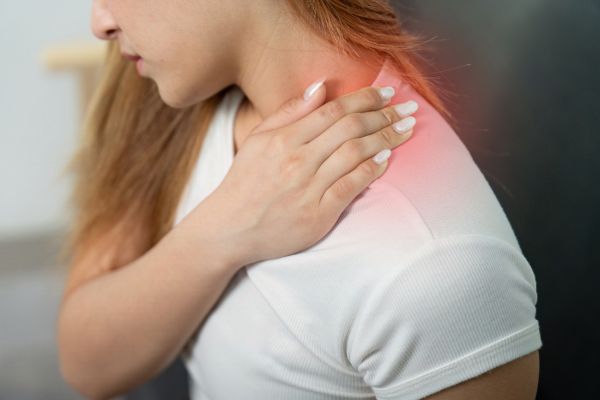
  • Shoulder pain refers to discomfort in or around the shoulder joint and surrounding muscle, tendons or ligaments.  The shoulder is the most mobile joint in the body so it is easily strained and injured. 
  • Common causes of shoulder pain are rotator cuff injury, frozen shoulder (adhesive capsulitis), shoulder impingement, tendinitis or bursitis, arthritis, postural strain, trauma or lifting injuries.
  • Patients may present with pain on arm lifting, night pain, stiffness, weakness, limited range of motion or clicking sensations.
  • Acupuncture is effective in reducing inflammation, relaxing tight muscles, improving circulation, relieving pain naturally and restoring shoulder mobility.

Sports Injuries

  • Sports injuries can affect muscles, tendons, ligaments, joints, bones and nerves.
  • Common types of sports injuries include muscle strains and tears, ligament sprains, tendonitis and tendinopathy, bursitis, stress fractures, joint injuries (knee, shoulder, elbow, and wrist), overuse injuries such as tennis elbow, Golfer’s Elbow, runner’s knee and shin splints.
  • Acupuncture is widely used in the management and rehabilitation of sports injuries.  It helps reduce pain, control inflammation, accelerate healing, restore normal function of joint mobility and flexibility, regulate nerve functions and neuromuscular coordination.
  • It is a safe, effective and drug-free therapy that plays an important role in pain management, swift recovery, performance enhancement and prevention of further injuries.

Hip Pain

  • Hip pain refers to discomfort felt in or around the hip joint, groin, buttock or outer thigh. The hip is a major weight-bearing joint and pain here can affect walking, sitting and other daily activities.
  • Common causes of hip pain are osteoarthritis of the hip, trochanteric bursitis, hip tendinitis and muscle strain, sciatica or referred lumbar pain, labral tear, avascular necrosis, inflammatory arthritis and post-traumatic or post-surgical pain.
  • Patients present with symptoms of pain in groin, buttock or the outer hip, stiffness and reduced mobility, pain while walking, climbing stairs, laying on one side or radiating pain to the thigh or the knee.
  • Acupuncture is an effective conservative therapy for managing hip pain. It helps by reducing pain, improving circulation, relieving muscle spasms and restoring joint function. In such cases, acupuncture is used as part of a comprehensive treatment plan and tailored to individual patient needs.
Hip Pain Updated
Elbow Pain

Elbow Pain and Tennis Elbow

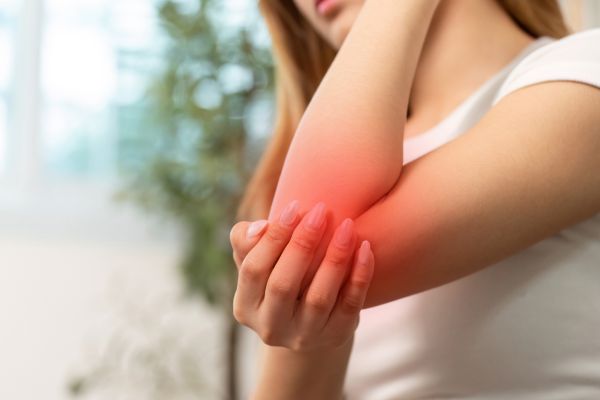
  • Elbow pain is discomfort arising from muscles, tendons, ligaments, bones, nerves or bursae around the elbow joint. It is commonly caused by overuse, strain, inflammation or repetitive activities.
  • Common presentations of elbow pains are tennis elbow (lateral epicondylitis), pain on the outer elbow, Golfer’s Elbow (medial epicondylitis), pain in the inner elbow, elbow bursitis (olecranon bursitis), arthritis (osteoarthritis or Rheumatoid Arthritis), ligament sprain, injury or tear, nerve entrapment (cubital tunnel syndrome), repetitive strain from typing, gripping, lifting or sports.
  • Primary symptoms of patients with elbow problems are pain around the elbow (inner/ outer/ back), weak grip strength, pain radiating down the forearm, stiffness, swelling, tenderness and difficulty in lifting or twisting objects.
  • Acupuncture helps to relieve elbow pain by reducing inflammation, relaxing tight muscles and tendons, improving blood circulation, releasing endorphins for natural pain relief, addressing nerve compression and biomechanical imbalance.